

Becoming a new parent is an exciting and rewarding time, but it also places new physical demands on your body. Lifting, feeding, carrying and caring for a baby — often while tired and adapting to post-pregnancy changes — means many parents experience back, neck or pelvic pain, particularly in the early months.
The good news is that much of this discomfort is preventable. By making small changes to how you lift, feed, carry and move, you can significantly reduce strain on your spine and feel more comfortable day to day.
At Morningside Chiropractic, we regularly support new parents in Edinburgh. We also see a strong link between pregnancy-related back or pelvic pain and postnatal discomfort. If you experienced pain during pregnancy, you may also find our guide on Pregnancy Pelvic & Back Pain helpful.

Why Do New Parents Get Back Pain?
Back pain in new parents commonly develops due to:
- frequent lifting and bending
- feeding or changing baby at low heights
- carrying baby or equipment on one side
- reduced strength or recovery after pregnancy
Over time, these repetitive movements can overload muscles, joints and ligaments if posture and technique aren’t optimised.
Top 10 Tips for New Parents to Help Avoid Back Pain
1. Lift Your Baby Safely
Whenever you lift your baby (from a cot, pram or floor):
- Stand close with feet hip-width apart
- Bend at your hips and knees, not your back
- Keep baby close to your body
- Push up through your legs to stand
The NHS recommends these lifting principles to reduce strain on the lower back.
2. Avoid Twisting While Lifting
Twisting while bent forward is a common cause of back pain.
Instead:
- turn your whole body by moving your feet
- face the direction you are lifting or placing your baby
3. Support Yourself During Feeding
Whether breastfeeding or bottle feeding:
- sit upright with lower-back support
- use cushions or pillows under your arms and baby
- bring baby to you, rather than leaning forward
- The NHS encourages supported feeding positions to reduce neck and back strain.
4. Alternate Sides Regularly
Holding or feeding your baby on the same side repeatedly can lead to muscle imbalance and stiffness.
Try to:
- swap sides between feeds
- alternate which arm you carry baby in
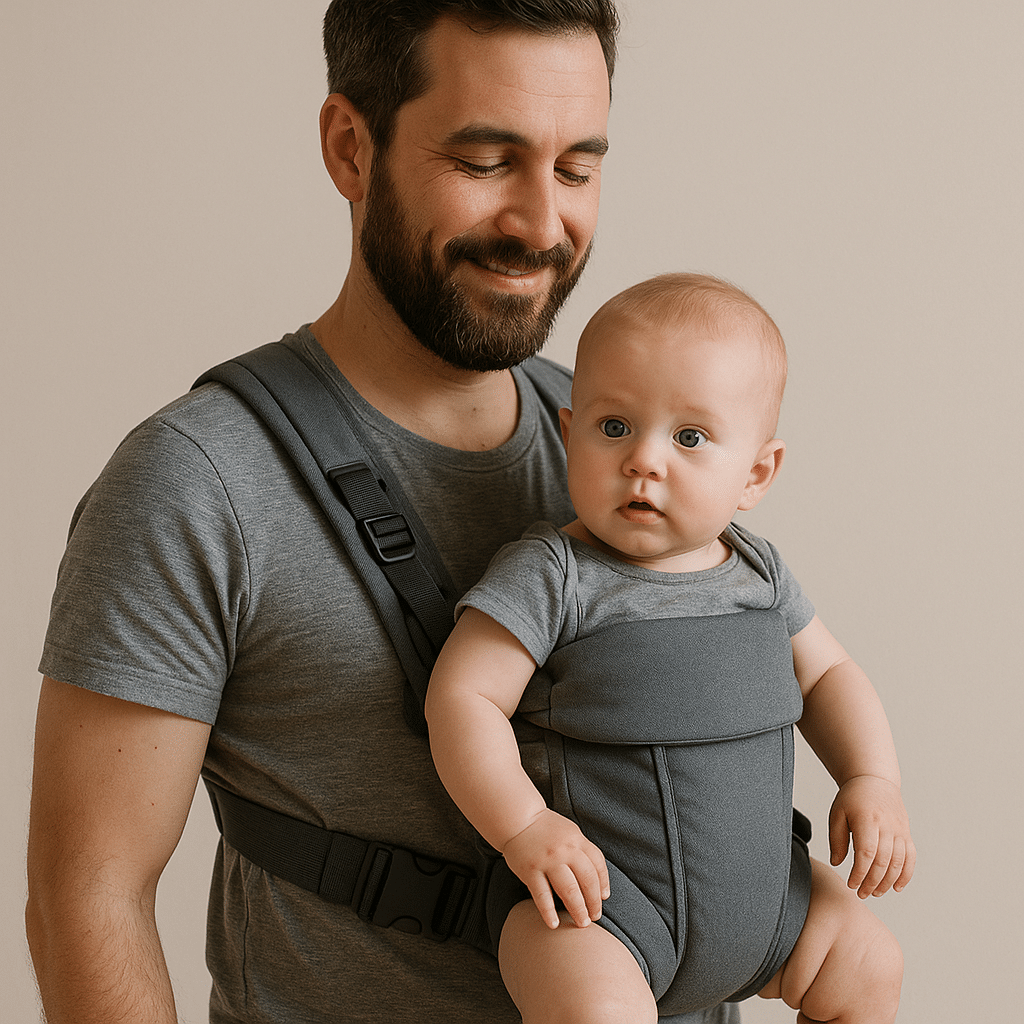
5. Use Baby Carriers Correctly
A well-fitted baby carrier can help reduce strain:
- baby should be held high and close to your body
- you should be able to stand upright without leaning backwards
- straps should distribute weight across shoulders and torso
6. Set Up Changing Areas at a Comfortable Height
Repeated bending over low surfaces places extra stress on your back.
Where possible:
- keep changing mats at waist or hip height
- store nappies and wipes within easy reach
- avoid twisting while leaning forward
7. Vary Your Positions During Floor Play
Playing on the floor is important, but posture matters:
- sit on a cushion or low stool rather than bending from standing
- change position regularly
- avoid staying in one posture for long periods
8. Reduce Lifting as Your Baby Becomes a Toddler
As your baby grows into a toddler, they will still want — and need — to be picked up at times. As their weight increases, reducing unnecessary lifting becomes increasingly important.
Helpful strategies include:
- encouraging your toddler to climb onto your lap for cuddles
- assisting them to step into and out of the bath rather than lifting
- using a pushchair when out to avoid carrying them on one hip
9. Be Mindful If You Had Pelvic Girdle Pain in Pregnancy
If you experienced pelvic girdle pain during pregnancy, postnatal habits remain important. The Royal College of Obstetricians and Gynaecologists (RCOG) advises:
- avoiding uneven loading (such as standing on one leg)
- keeping knees together when turning in bed
- changing positions regularly
10. Know When to Seek Professional Advice
If your back pain:
- lasts more than a couple of weeks
- worsens rather than improves
- interferes with sleep or caring for your child
…it’s sensible to seek professional advice.
Current NICE guidelines recommend that manual therapy for back pain should be used as part of a package that includes exercise and advice, rather than as a standalone treatment.
How We Can Help at Morningside Chiropractic
At Morningside Chiropractic, we help new parents and families across Edinburgh and South Edinburgh by:
- assessing spinal, pelvic and muscular function
- identifying areas of overload or restriction
- providing tailored exercise and movement advice
- using hands-on care where appropriate as part of a wider plan
Many patients transition from pregnancy-related care into postnatal support, which is why we encourage reading both this article and our Pregnancy Pelvic & Back Pain page.
Final Thoughts
Early parenthood is physically demanding, but good habits around lifting, feeding, carrying and movement can make a real difference to how your back feels — now and in the years ahead.
If you are struggling with back or pelvic pain, or would like personalised advice on staying comfortable as your family grows, the team at Morningside Chiropractic is here to help.